GREAT CHRISTMAS GIFTS 2026
BIRTHDAYS TOO !!!
"MERRY CHRISTMAS"
2026
GREAT CHRISTMAS GIFT IDEAS
AMERICA'S FAVORITE
ITALIAN COOKBOOK
SUNDAY SAUCE
alla BELLINO alla PACINO
CLEMENZA SUNDAY SAUCE
GOODFELLAS SUGO di PRIGIONE
And MUCH More ....
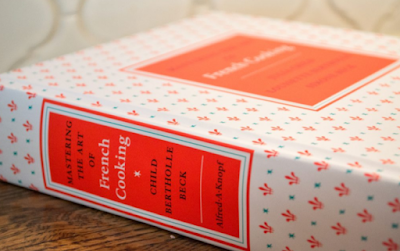
MASTERING The ART of FRENCH COOKING
by JILIA CHILD - COMPLETE 2 VOLUME SET
One of The GREATEST COOKBOOKS of ALL-TIME
And The BEST COOKBOOK for AMERICANS
WANTING to COOK WONDERFUL FRENCH FOOD
The JOY of COOKING
If YOU COULD ONLY HAVE 1 COOKBOOK
"THIS WOULD BE IT"
With EVERY RECIPE YOU MIGHT EVER NEED
SOUPS - SAUCE - MEAT - POULTYR - FISH
DESSERTS : COOKIES - CAKES -PIES
And More ....
Since its original publication, Joy of Cooking has been the most authoritative cookbook in America the one upon which millions of cooks have confidently relied for more than sixty-five years. It's the book your grandmother and mother probably learned to cook from, the book you gave your sister when she got married. This, the first revision in more than twenty years, is better than ever.
The ITALIAN NONNA COOKBOOK
The HOTTEST NEW ITALIAN COOKBOOK - 2026
The ITALIAN NONNA COOKBOOK
"COOK LIKE a NONNA"
PASTA - ANTIPASTI - SOUPS - DESSERTS
CHICKEN - MEAT & FISH
100 ITALIAN NONNA RECIPES
From ITALY & AMERICA
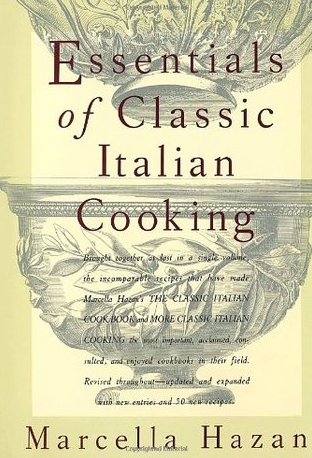
ESSENTIALS of CLASSIC ITALIAN COOKING
by MARCELLA HAZAN
The DEFINING BOOK of ITALIAN COOKING
The COMPLETE
AMERICA'S TEST KITCHEN COOKBOOK
GREAT ALL AROUND COOKBOOK
ITALIAN CHRISTMAS
The FEAST of The 7 FISH
ITALIAN CHRISTMAS
La Vigila "THE FEAST of The 7 FISH" is The Southern Italian Ritual Christmas Eve Meal of 7 Fish, Representing The 7 Sacraments of Holy The Roman Catholic Church .. This Meal is a Sacred Ritual of The South of Italy and Italian-Americans in New York, New Jersey, Boston, Providence, San Francisco, New Orleans, Philly and Pittsburgh. And You'd be surprised to know that it is Mostly of The South of Italy and of Italian-America and that many Italians from Central Italy to The North have do not partake of This Great Traditional Feast as it is mainly of The South. Have You ever wanted to Make or Eat one, but Don't Know Where to Start? The Know-How is mostly Passed Down in Families from one Generation to the Next and Not Much Has Been Written on This Great Subject. Not Until Now anyway with the Publication of This Book by Daniel Bellino Zwicke. You'll Find Everything You Need to Know to Partake, Make, and Eat this Most Important Meal of The Italian Calender Year The FEAST of THE 7 FISH, known in Italy as Festa di Sette Pesci.. The Book contains Stories, Recipes, and Instructions on How to Make This Great Feast, Your Very Own "FEAST of SEVEN FISHES" so Cook, Make, and Partake, and Mangia Bene. The FEAST of The 7 FISH by Daniel Bellino is an Amazon Best Seller and Top Book of this eclusive Genre of The Feast of The Seven Fishes.
Buon Appetito e Mangia Bene !
... Daniel Bellino Zwicke ....
The SINATRA COOKBOOK
SINATRA SAUCE
The SINATRA COOKBOOK
COOK & EAT LIKE FRANK
His FAVORITE ITALIAN RECIPES
And RESTAURANTS He ATE AT
SINATRA SAUCE
Sinatra Sauce "Music Metaballs & Merriment" and Living The Good Life. "Like Frank" .. Yes, it's about Frank. That is one Francis Albert Sinatra, the Greatest Singer of The 20th Century, and Icon of American, especially of the Italian-American Enclave in America. Frank Sinatra was many things, first and foremost a Great Italian-American singer, Love & Adored by Millions. Mr. Sinatra was also an actor, citizen, and Entertainer Par Excellence. Yes this book is about those things, Frank Sinatra : the incomparable singer, actor, recording artist, Teen Idol of the 1940s, philanthropist, and Las Vegas & Nightclub Entertainer. He was like no other, Sinatra was one-of-a- kind, and he had a lust for life, “Hanging with Friends,” - sipping cocktails, with good food, and making good times. That's what this book is about, Frank Sinatra, eating (Italian Food), enjoying a cocktail or two, and the company of family and friends. Yes, Frank Sinatra lived life to its fullest. He wouldn't have it any other way, but "His Way."
This book “Inspires” and gives you the tools to live out your Sinatra Dreams. You can make it reality, with recipes of Frank’s Favorite Italian Foods, Pasta, Meatballs, Posillipo, Eggplant Parm and more. Eating, drinking, and having good times, all the time as Frank did. Meals with friends and family. Meals you can cook, with recipes in this book. The info and recipes are all here in Sinatra Sauce. Read it, put on some Sinatra (music), cook, eat, and create memorable times at the table, just like Frank. That’s what this book is about: Sinatra, Family, Friends, and Good Times. “The Best is Yet to Come”
TRIBUTE to ANTHONY BOURDAIN
ANTHONY BOURDAIN
TRIBUTE COFFEE MUG
"ANTHONY_BOURDAIN" TRIBUTE "Limited Edition" COFFEE Mug - Created by the artist Bellino from his original Art Piece "Anthony Bourdain 56" Tribute Painting
The piece includes bowls of Pho (Tony's Favorite) - Anthony Bourdain Quotes like - "Pork Fat Rules" - FoodPorn & "Enjoy The Ride"
If you're a Bourdain Fan, or know one who is - This is the Perfect "Gift" - ANTHONY_BOURDAIN_ Tribute Tee SHIRT
MAKES a WONDERFUL GIFT for BIRTHDAYS, CHRISTMAS & All Occasions. - "GET YOURS TODAY" !!!
A TRIBUTE to TONY
CHRISTMAS COOKIES
COOKIE CRAFT CHRISTMAS
COOKBOOK

.
.
The JOY of COOKING
"If You Could Only Have One Cookbook?"
THIS WOULD BE IT
Why it's a classic: It's THE all-purpose cookbook for everything from boiling eggs to making chocolate cake. If you're looking for a specific recipe, chances are it's in this book.
It’s an encyclopedia, in an age where we rely on Google for such things. But when I was writing a Bon Appétit article on a specific ingredient lately, the entry in the Joy of Cooking glossary had more than anything I found online, with cited sources. I’m not kidding! The recipes have expanded, so there’s not as much squirrel, but there are Korean short ribs and chickpea pancakes and Japanese okonomiyaki. If there’s a newer cook in your life who doesn’t already have an earlier edition, now’s the time to induct them into the Joy of Cooking cult.
.
.
Mastering The Art of French Cooking
Julia Child
And Simone Beck
"ONE of THE GREAT COOKBOOKS of ALL-TIME"
IT'S The DEFINING BOOK of FRENCH CUISINE For AMERICANS"
.
ESSENTIALS of CLASSIC ITALIAN COOKING
Marcella Hazan
"It's Considered by Most, to Be The Encyclopedia of Italian Cooking"
And if you Could Only have One Italian Cookbook ? This Would Be It
.
.
.
.
The REAL DOWNTON ABBEY
CHRISTMAS COOKBOOK
MERRY CHRISTMAS !
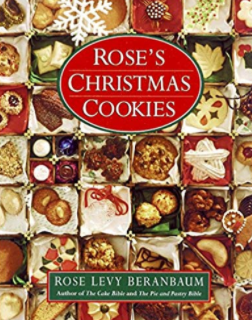
ROSE'S CHRISTMAS COOKIES COOKBOOK
Since its 1990 publication, Rose's Christmas Cookies has been a phenomenal success. Who can resist Chocolate-Dipped Melting Moments Cookies or moist Mini-Cheesecakes with Lemon Curd . . . or David Shamah's Jumbles, a fabulous cross between a chocolate-chip cookie and a chunky candy bar bursting with raisins, chocolate chips, and pecans. Whether you need a cookie to decorate your tree or grace your mantelpiece (cookies like Stained Glass or Christmas Wreaths), a sweet to send (Mahogany Butter Crunch Toffee, Maple Macadamia Bars), or a special holiday treat for your dinner party (Praline Truffle Cups, Chocolate-Pistachio Marzipan Spirals), you'll find that perfect something here. Complete with 60 cookie recipes and a color photograph of each cookie for handy reference, this easy-to-use and fun-to-read book will result in scrumptious, festive, and splendid-looking cookies every time.
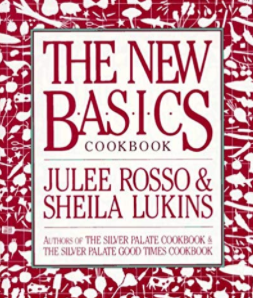
The NEW BASICS COOKBOOK
EVERYTHING YOU NEED
It's the 1.8-million-copy bestselling cookbook that's become a modern-day classic. Beginning cooks will learn how to boil an egg. Experienced cooks will discover new ingredients and inspired approaches to familiar ones. Encyclopedic in scope, rich with recipes and techniques, and just plain fascinating to read, The New Basics Cookbook is the indispensable kitchen reference for all home cooks.
This is a basic cookbook that reflects today's kitchen, today's pantry, today's taste expectations. A whimsically illustrated 875-recipe labor of love, The New Basics features a light, fresh, vibrantly flavored style of American cooking that incorporates the best of new ingredients and cuisines from around the world.
Over 30 chapters include Fresh Beginnings; Pasta, Pizza, and Risotto; Soups; Salads; every kind of Vegetable; Seafood; The Chicken and the Egg; Grilling from Ribs to Surprise Paella; Grains; Beef; Lamb, Pork; Game; The Cheese Course, and Not Your Mother's Meatloaf. Not to mention 150 Desserts! Plus, tips, lore, menu ideas, at-a-glance charts, trade secrets, The Wine Dictionary, a Glossary of Cooking Terms, The Panic-Proof Kitchen, and much more.
.
.
.
.
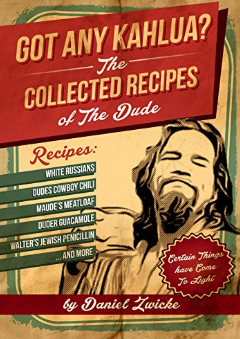
GOT ANY KAHLUA ?
The COLLECTED RECIPES of The DUDE
aka The BIG LEBOWSKI COOKBOOK
.
We all just love the greatest Cult Movie of all-time, The Big Lebowski, and just had to include it in our list. And since we're talking about cookbooks, there's only one possibility, and that's Got Any Kahlua ? aka The Big Lebowski Cookbook. The book, has been ingeniously written by Daniel Zwicke, who has filled the book with satirical humor with great recipes pertaining to The Dude and all the cast of characters from the movie. There's a recipe for Maude's Meatloaf, Walter Jewish Penicillin (Chicken Soup) Dude's Cowboy Chili, the perfect White Russian Cocktail, and more.
We just Love this book and it's many tasty recipes that we're sure all Achievers (Fans of The Dude) will Abide by. The recipes are geared to be easy to make, they are economical (Dudes Unemployed), and of course tasty as can be.
So if your one of those Millions of Fans of The Dude and his movie, The Big Lebowski, or you no someone who is, Got Any Kahlua, The Big Lebowski Cookbook is a book for you.
Abide in it.
.
.
"MERRY CHRISTMAS" !!!!
And Happy Holidays
From All of Us
To All of You
Peace on Earth
.
.